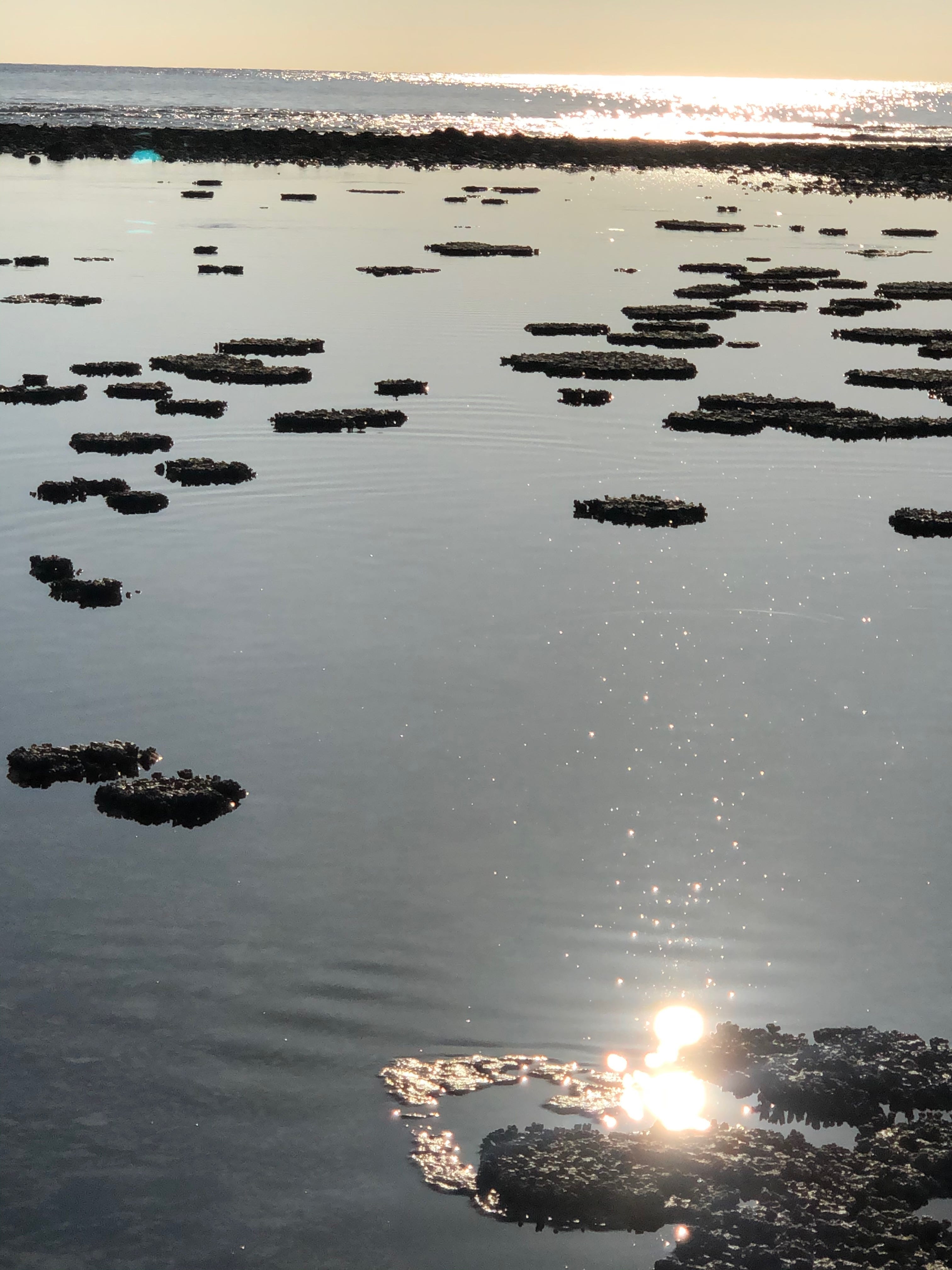
Next time someone tells you the Great Barrier Reef is under unprecedented threat from rising seas take a walk at the beach. If you are at a Great Barrier Reef beach, what you see with your own eyes will suggest a very different story — one backed by the scientific literature but completely missing from popular narratives.
1. The Scientific Literature Supports a Mid-Holocene Highstand and Subsequent Fall
The consensus in the peer-reviewed literature on Quaternary sea-level change for the Great Barrier Reef region is clear: relative sea levels stood higher during the mid-Holocene than they do today.
Multiple independent lines of evidence — including precisely dated fossil coral microatolls, reef cores, and geomorphic features — indicate a highstand of approximately 1 to 2 metres above present levels, with many studies pointing to around 1.5 m as a representative figure for significant portions of the GBR.
This highstand occurred roughly 6,000 years ago, after the main phase of post-glacial sea-level rise. Following the peak, sea levels fell gradually toward present values over the subsequent few thousand years.
While there is evidence of some shorter-term variability or minor oscillations in places, the overall trajectory is one of emergence — the land (or reef flat) effectively rising relative to sea level as waters receded from their Holocene maximum.
This is not contested science!
It is documented across the GBR through careful fieldwork by researchers using the most reliable proxies available, particularly coral microatolls whose flat tops record the upper limit of coral growth constrained by tidal levels.
2. Evidence from Coral Cays — and What You Can See at Lady Elliot
Coral cays like Lady Elliot Island are themselves archives of sea-level change.
These islands form on mature reef flats once sea level has stabilised or begun to fall, allowing sediment (coral rubble, shells, and sand) to accumulate above the waterline through wave and storm action.
At Lady Elliot, the shallow platform reef has existed since at least ~6,500 years before present. Island-building by shingle progradation began shortly before ~3,200 years BP and proceeded at relatively steady rates.
This timing fits neatly with the tail end of the highstand period: the reef flat had reached a state where it could support cay formation as sea levels were near or falling from their maximum.
What makes Lady Elliot particularly valuable for public understanding is how accessible and visible these processes remain today.
3. Field Evidence You Can See (and Photograph) on the Reef Flat
Walk the reef flat at Lady Elliot at low tide and you will encounter classic indicators of a higher past sea level followed by relative fall.
Microatolls:
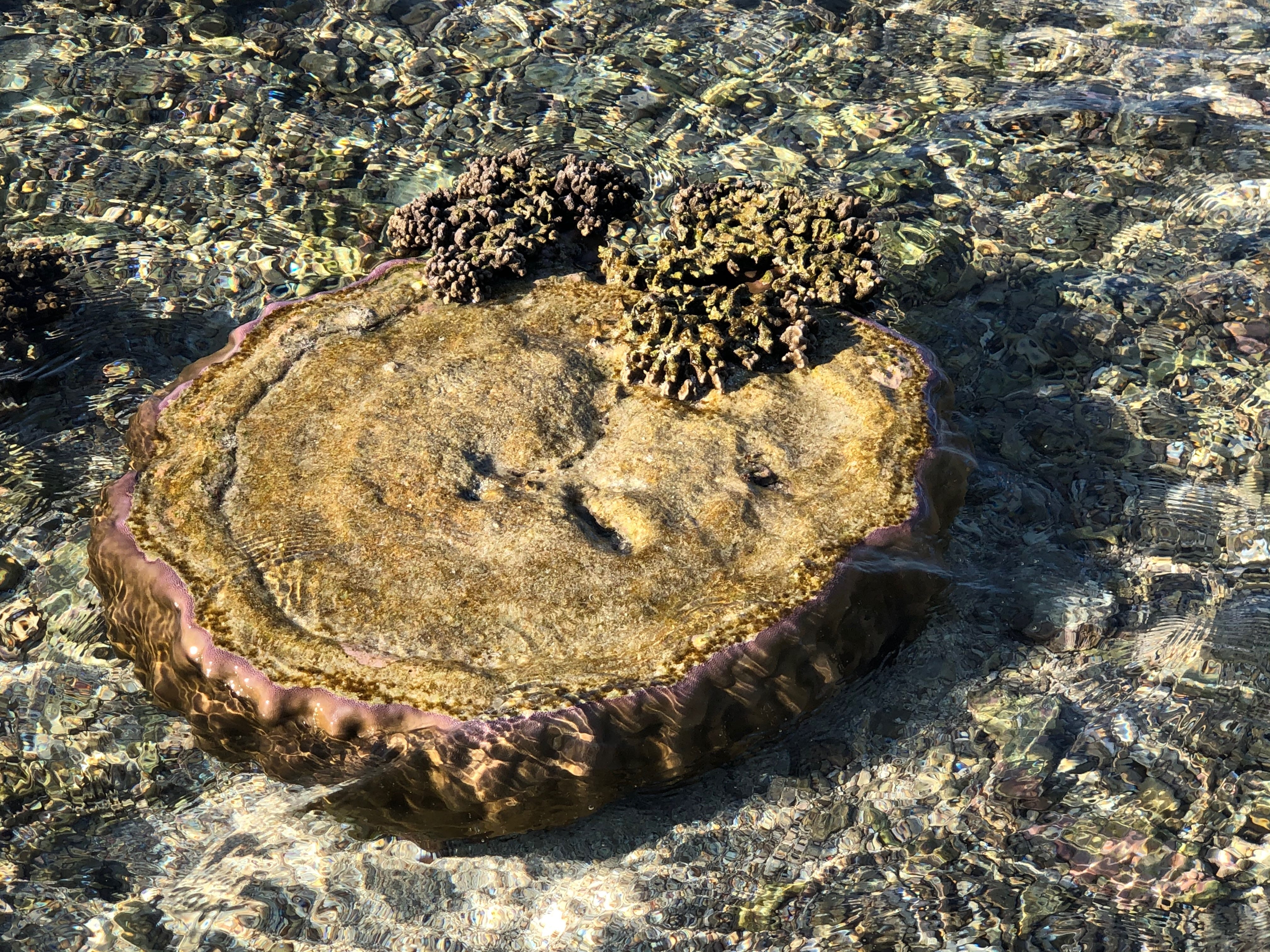
These are massive coral colonies (often Porites) with living rims around the edges but flat, dead tops. The dead upper surface marks the former limit of coral growth, constrained by exposure at low tide. Living coral is now restricted to the margins and lower parts of the colony. Many of these features sit at elevations consistent with having grown when sea level was higher; their current “stranded” appearance reflects the subsequent fall.
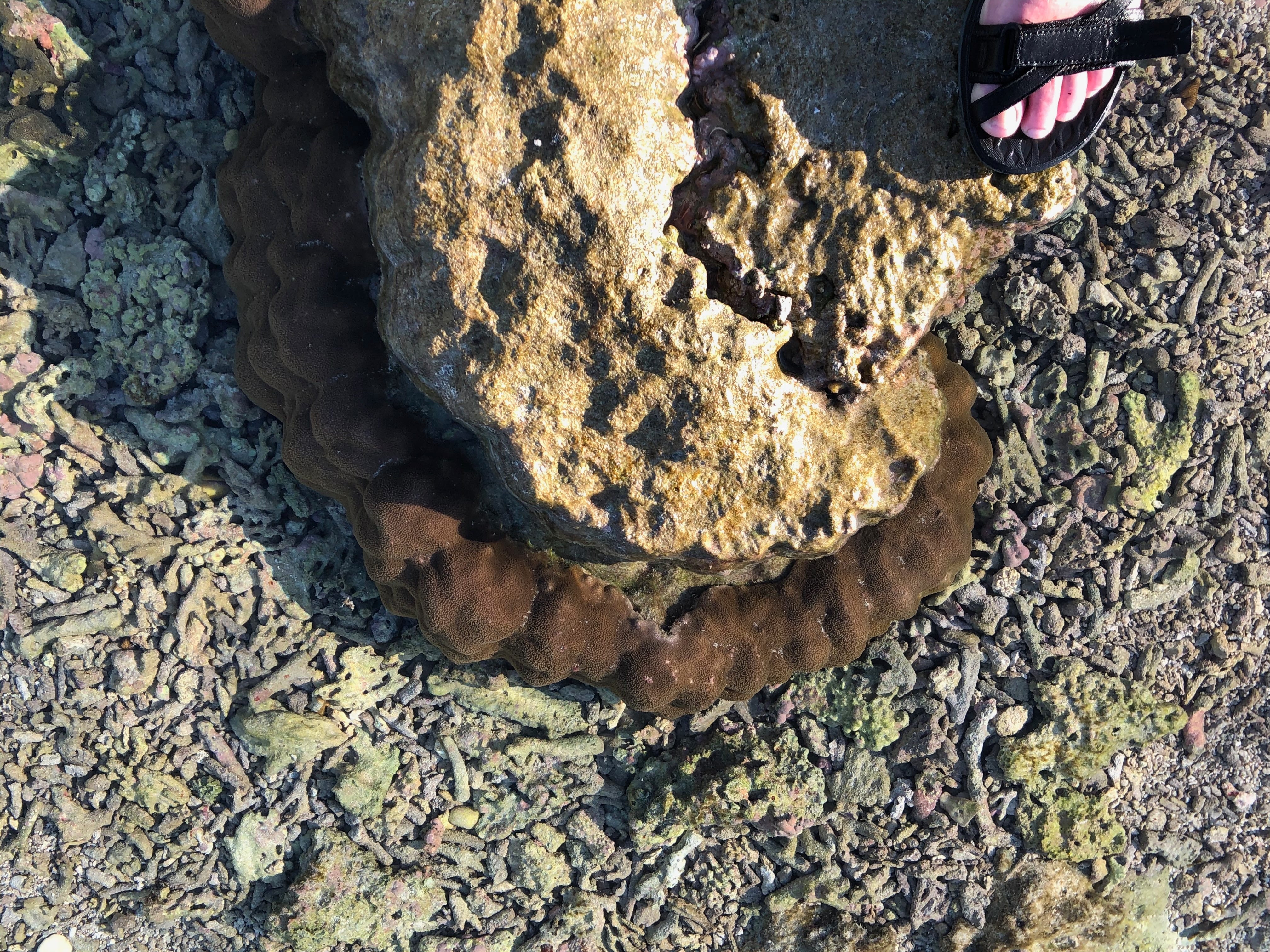
My photographs of these microatolls — especially close-ups showing the sharp contrast between the dead flat top and the living peripheral coral — provide powerful visual confirmation of emergence.
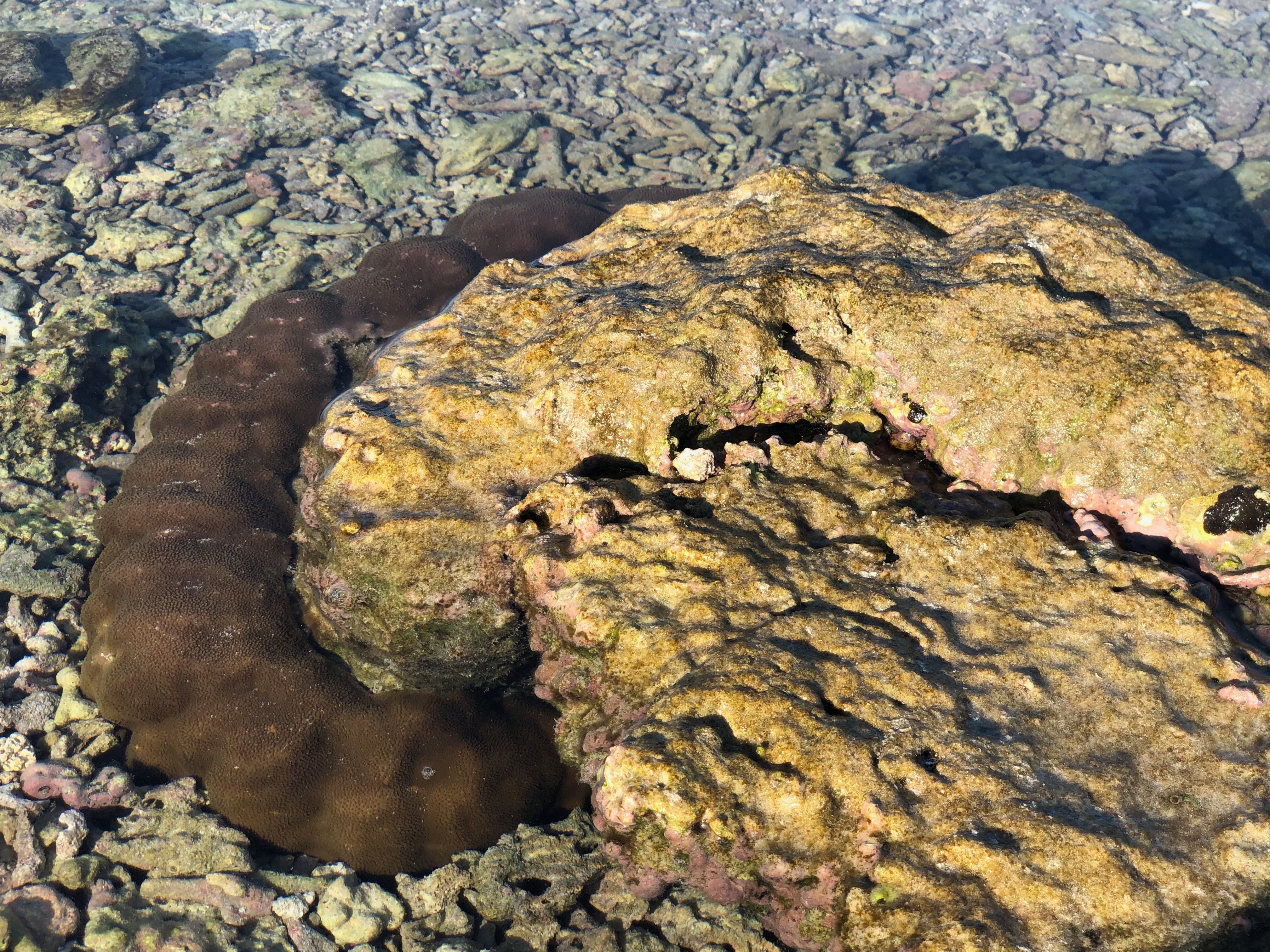
The living section of the microatoll is dark brown, replete with healthy zooxanthellae within the coral polyps.
Reef-flat morphology:
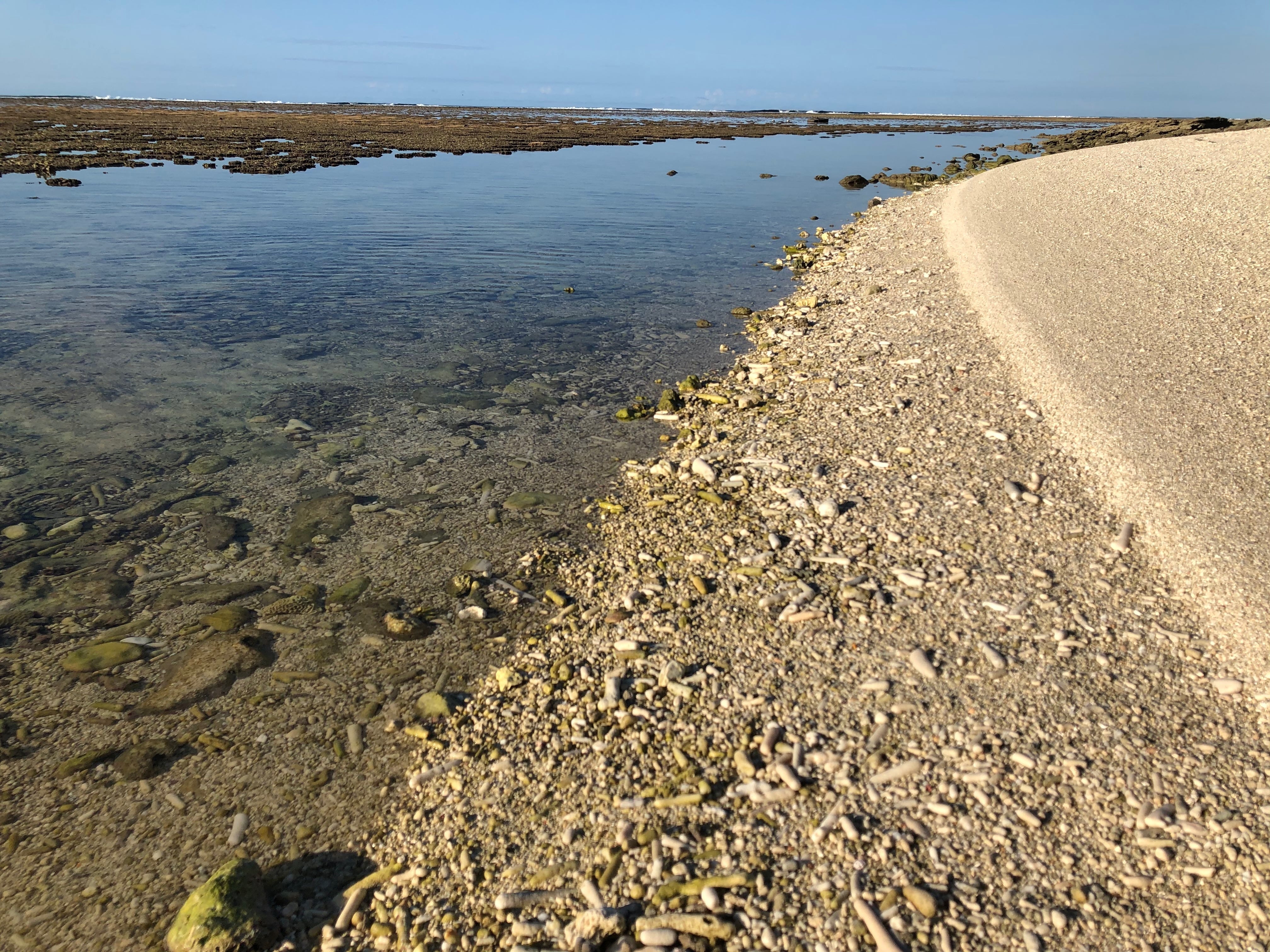
The broad, relatively flat expanse of the reef platform itself, with cemented or emergent sections and limited vertical coral growth in the interior, is characteristic of a reef that reached sea level during or near the highstand and has since experienced relative lowering. You can contrast this with the more actively accreting outer reef slopes.
Associated features:
Stranded or higher-level beachrock and cemented shingle ridges on and around the cay further support periods of higher water influence in the past, followed by stabilisation at lower levels. The concentric shingle ridges of the cay itself record ongoing but orderly accumulation in a regime of relative stability or slight fall.
These visible features at Lady Elliot do not stand alone. They corroborate the more detailed, radiometrically dated microatoll and core records from other GBR sites.
4. How This Challenges Popular Narratives
This geological perspective stands in stark contrast to the dominant public narrative that portrays current sea-level rise as an unprecedented existential threat to the Great Barrier Reef, with little historical context provided.
The alarm often focuses on projections of tens of centimetres of rise while ignoring that, since humans first arrived in Australia some 40,000–65,000 years ago, sea levels have risen by around 120 metres — the vast majority of it naturally and long before the industrial era.
To be clear, sea levels have risen 12,000 centimetres — which is 120 metres — since the last ice age!
The reef we see today largely formed after that massive rise, during and after the Holocene Highstand.
At Lady Elliot and similar sites, the corals and cays have already demonstrated resilience to changes on the order of a metre or more over millennia.
Microatolls and reef flats show clear evidence of adaptation through lateral growth and sediment dynamics once vertical accommodation space diminished.
This does not mean modern changes are irrelevant — rates, additional stressors (temperature, water quality), and human context matter — but it does mean we should view them with proper geological perspective rather than as something entirely novel or catastrophic in isolation.
Time to Think
Spending time on the reef flat at Lady Elliot, camera in hand, observing these microatolls and landforms directly, is one of the best antidotes to the ‘madness’ of decontextualised alarm. The evidence is there for anyone willing to look, and think.
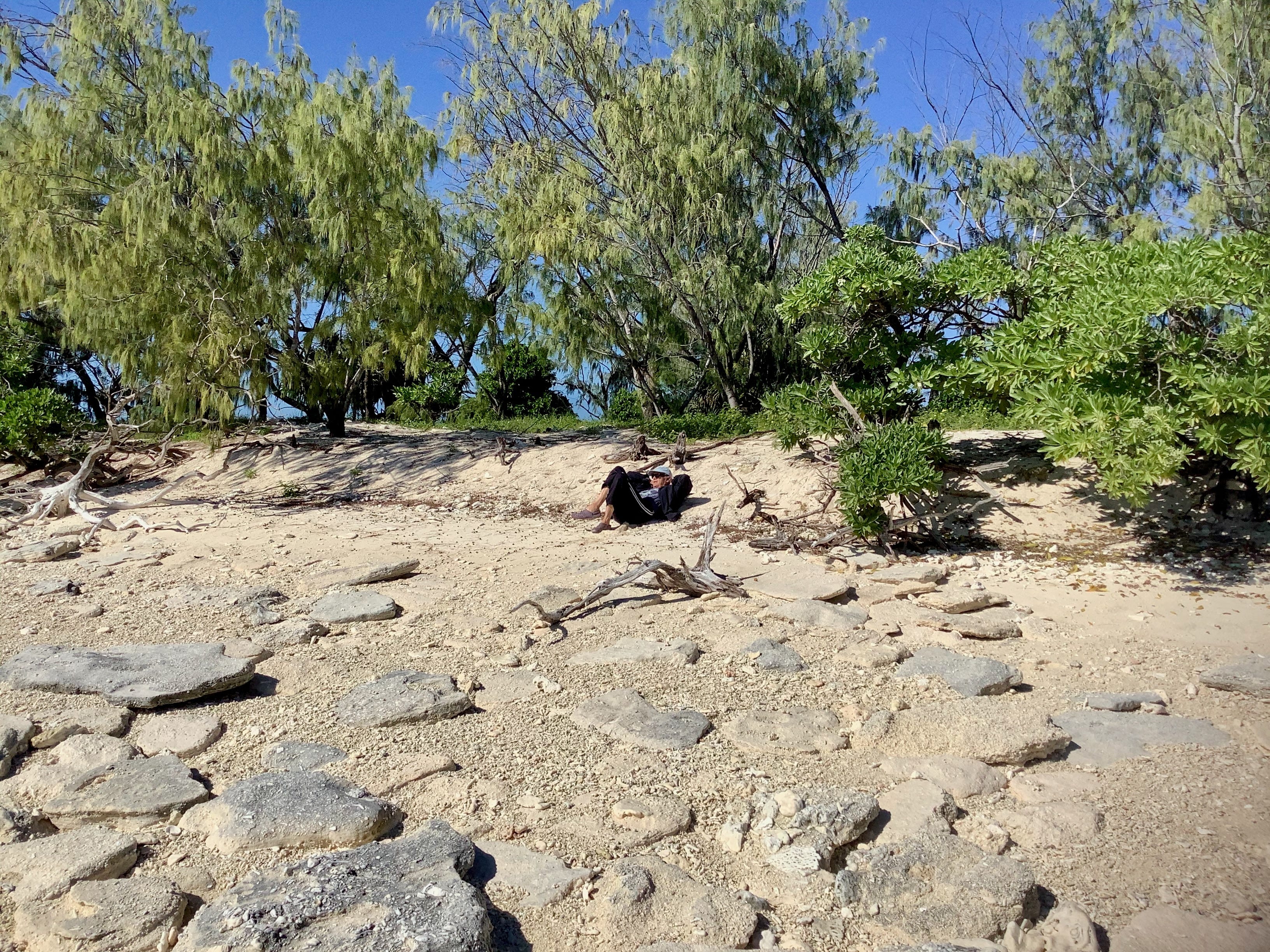
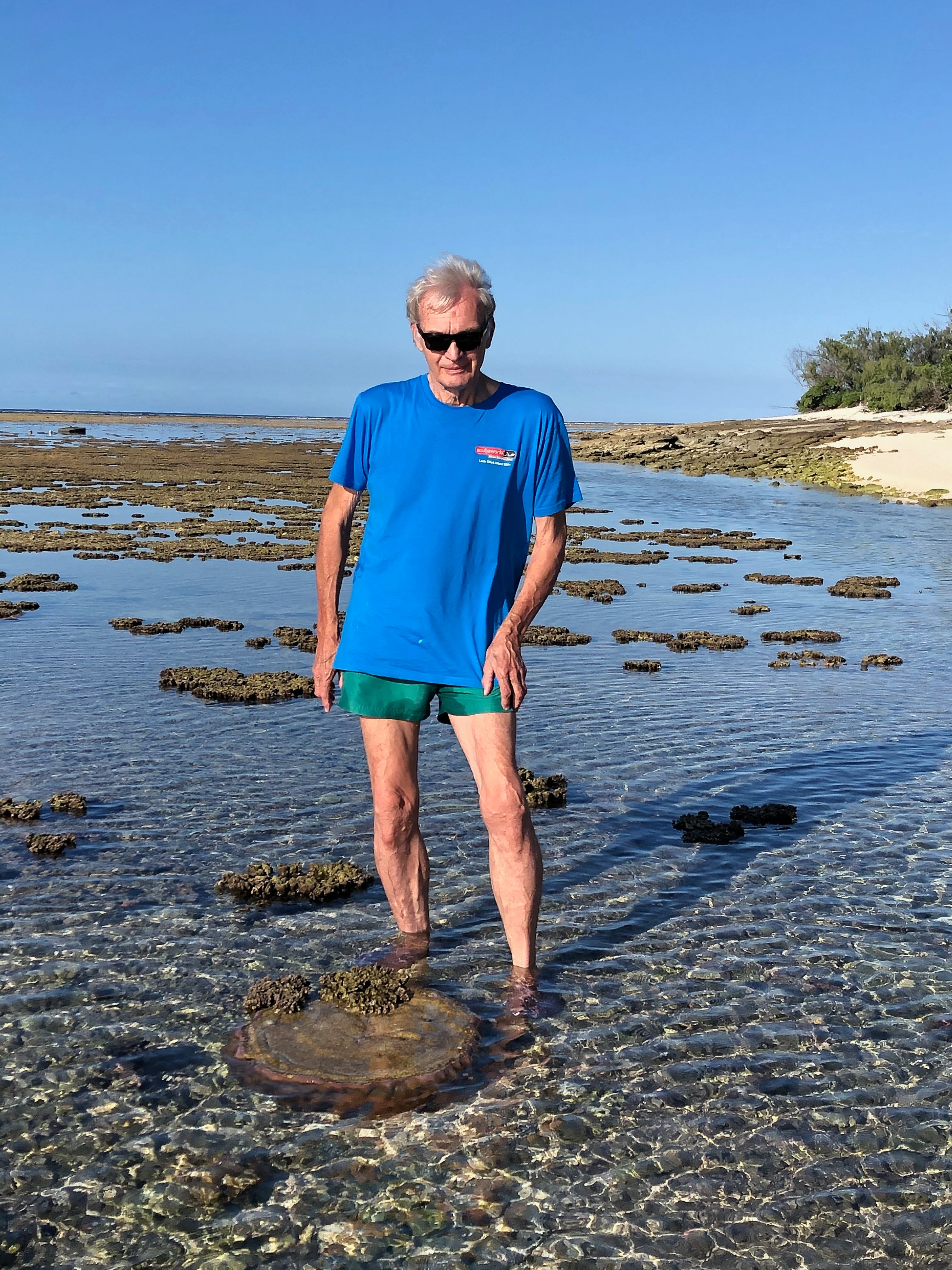
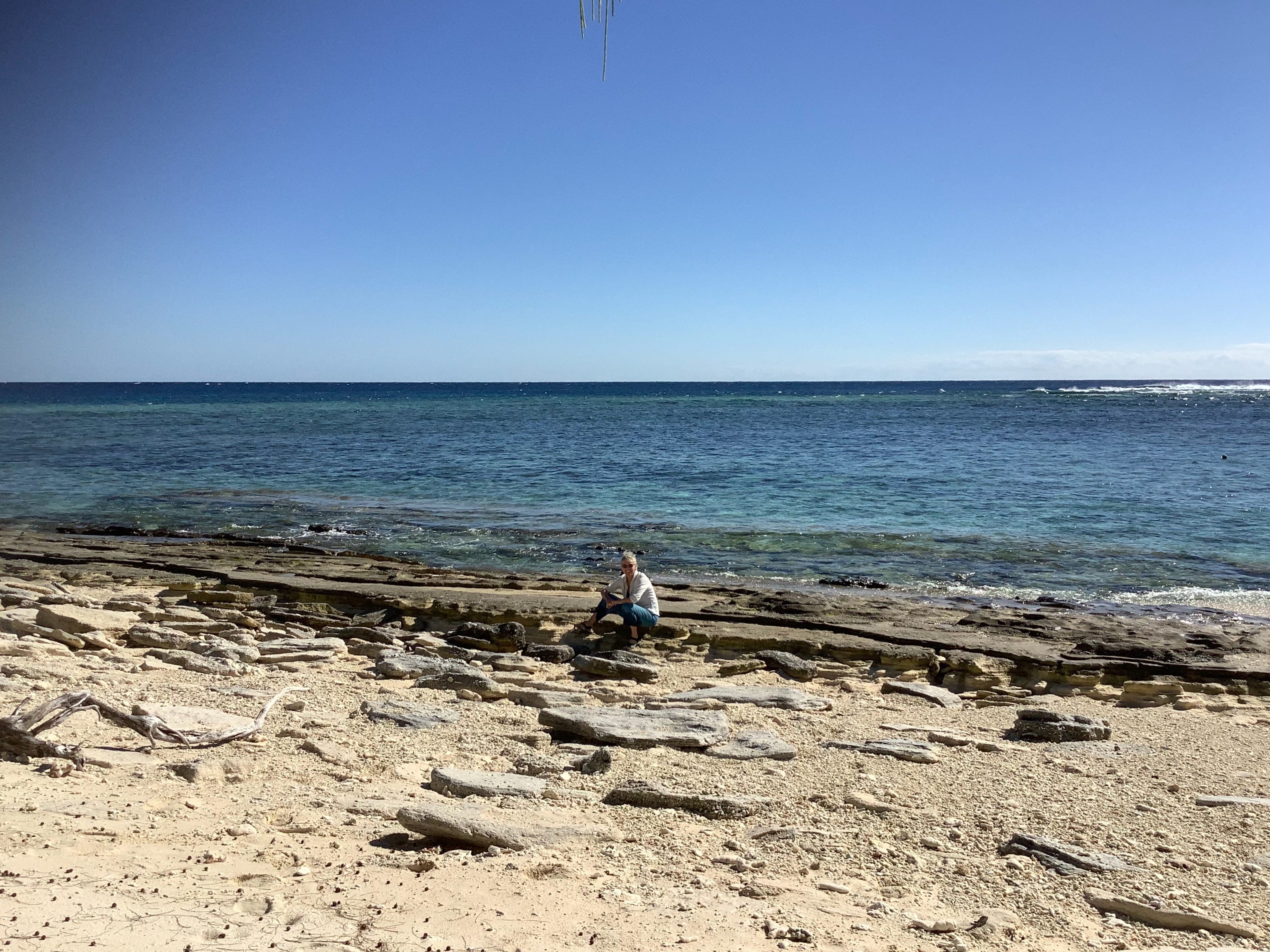
There is also opportunity just to sit and think, as John Abbot did that afternoon of 13th May 2001.
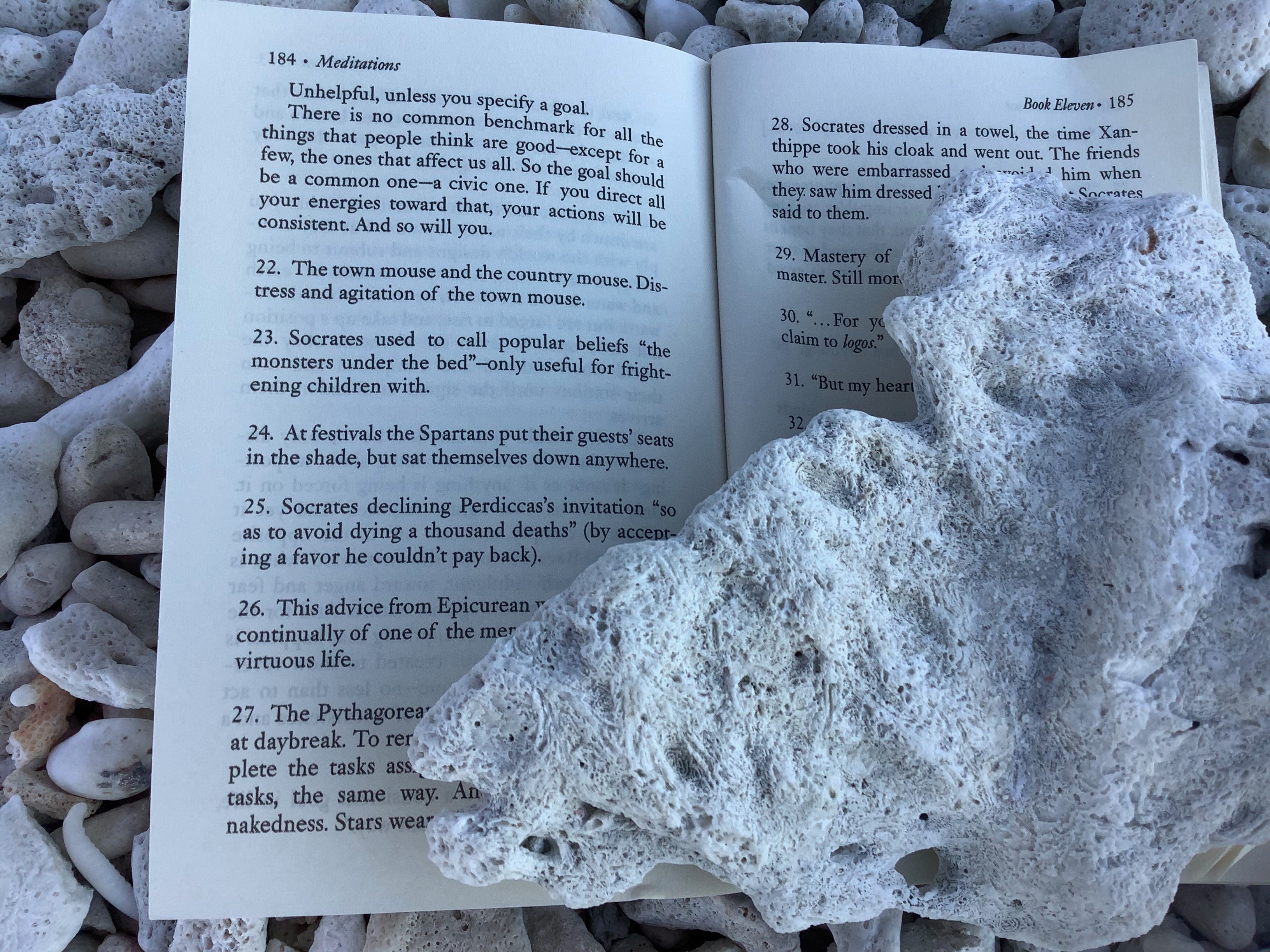
Even read a book, as I did after my photographing.
I was reading Meditations by Marcus Aurelius on the beach when we visited Lady Elliot for the week in May 2021. This philosopher from long ago, when sea levels were higher at the Great Barrier Reef, is know for warning against conformity,
“The object of life is not to be on the side of the majority, but to escape finding oneself in the ranks of the insane.”
BMAC is a new Australian environmental charity. This note shows how field observations are consistent with the scientific literature for understanding sea level change within a geological context at the Great Barrier Reef.
John Abbot, featured in the first photograph, is a director of BMAC, with a Bachelor of Science (major chemistry) from Imperial College, London, and a Doctor of Philosophy from McGill University, Quebec (Canada), he also has degrees in law and public administration.